The Ultimate Overview to Understanding Home Appliance Fixing in the house
When your refrigerator stops cooling down or your stove rejects to heat, it can feel overwhelming. Understanding appliance repair at home can conserve you time and cash. You'll discover to recognize symptoms, make use of crucial tools, and follow a systematic troubleshooting procedure. Yet prior to you begin, there are vital security precautions you need to think about. What are one of the most typical problems, and just how can you repair them? Allow's check out the fundamentals.
Common Device Troubles and Their Signs
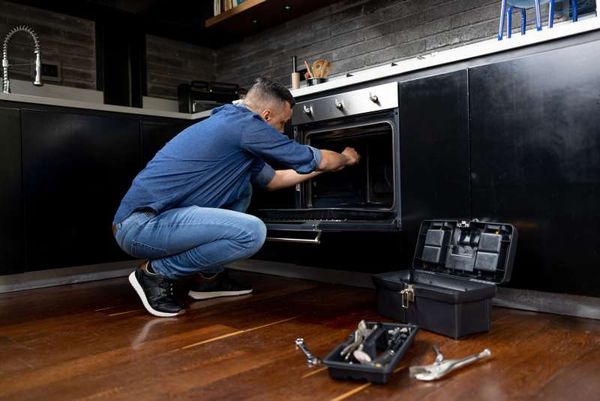
When your appliances begin acting up, it's necessary to acknowledge the signs early on. Overlooking them can cause larger concerns and expensive repairs. If your refrigerator isn't cooling down correctly, you could observe warm areas or condensation forming. This can indicate a falling short compressor or a blocked vent.Your dish washer may reveal problems via unclean recipes or unusual noises throughout cycles. If you hear grinding or clanking, it's time to investigate.A washing equipment that won't spin or drain pipes can leave you with soaked laundry, recommending a stopped up drainpipe or a malfunctioning pump.Lastly, if your oven's temperature level seems off or it takes permanently to preheat, you could be handling a faulty thermostat. By staying sharp to these symptoms, you can attend to issues before they rise into major repair services.
Important Devices for Device Repair Work
When you're taking on device fixings in the house, having the right devices is necessary. Fundamental hand tools like screwdrivers and pliers will aid you take apart and take care of different home appliances, while electrical testing tools ensure you're working safely with circuitry. Allow's review what you need to begin on your repair trip.
Fundamental Hand Tools
Having the right devices is necessary for efficient appliance fixing in your home. Start with a reliable screwdriver collection, including both flathead and Phillips kinds, as screws prevail in device setting up. Pliers are additionally crucial; they help with gripping, turning, and cutting cords or little components. A set of needle-nose pliers can reach limited spots conveniently. You'll need an excellent adjustable wrench for tightening up or loosening nuts and screws. An utility knife is helpful for puncturing product packaging or insulation. Don't neglect a durable workbench or surface area to safely organize your devices and parts. With these fundamental hand devices, you'll be well-prepared to tackle most device repairs that come your method.
Electric Testing Gadgets
Along with basic hand tools, electric screening devices play a crucial role in home appliance fixing. These tools assist you detect electric issues and assurance devices function safely. A multimeter is crucial; it gauges voltage, current, and resistance, enabling you to identify troubles quickly. A non-contact voltage tester is one more essential, allowing you identify live cables without making straight contact, enhancing your safety and security. Secure meters are fantastic for determining present circulation in cables without separating them, conserving you time and initiative. Additionally, circuit testers can rapidly inspect if outlets are working appropriately. By making use of these tools, you'll simplify your troubleshooting process and enhance your repair service abilities, making device upkeep a great deal much easier.
Step-by-Step Overview to Diagnosing Home Appliance Issues
When your home appliance acts up, it can be aggravating, however diagnosing the issue doesn't need to be frustrating. You'll find out to determine typical issues and apply efficient troubleshooting techniques. Allow's go through the steps to get your appliance back in functioning order.
Typical Home Appliance Problems
Fixing Techniques Clarified
Fixing Major Cooking Area Home Appliances: A Closer Look
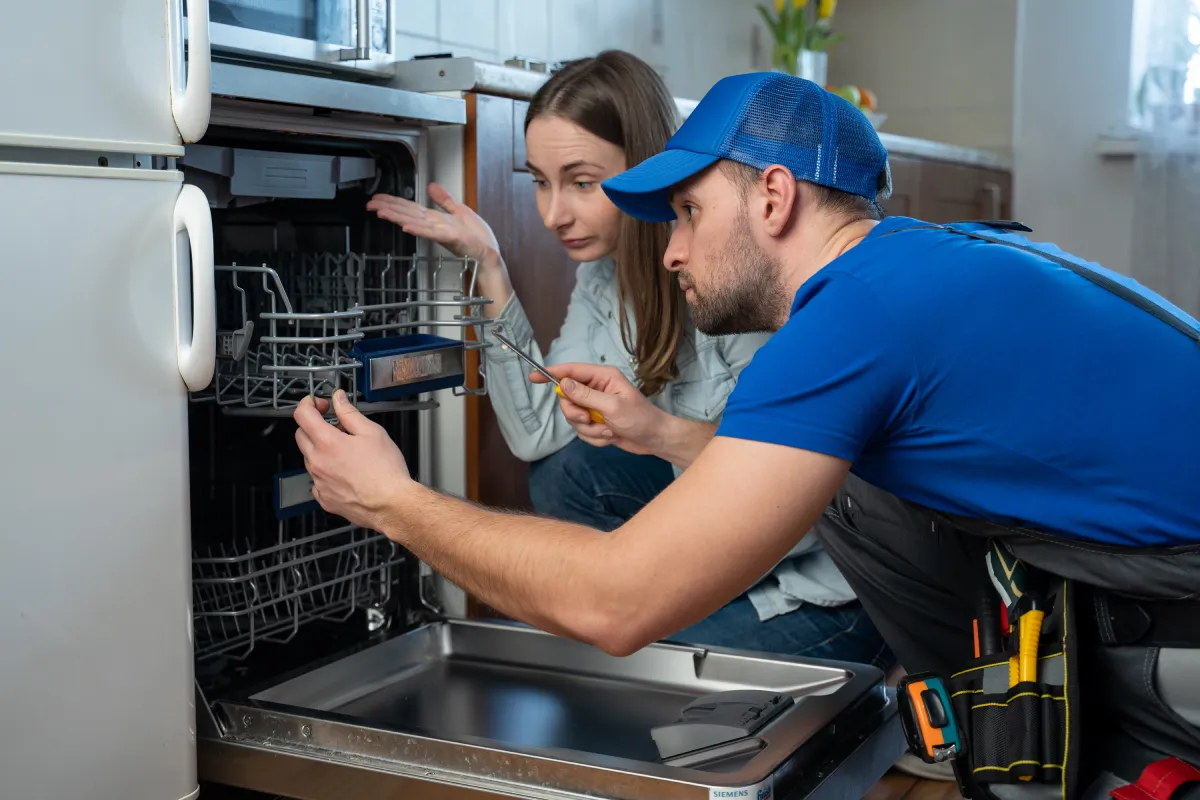
Have you ever before questioned just how to take on usual issues with your cooking area here appliances? Repairing significant cooking area devices like refrigerators, ovens, and dishwashers can be easier than you believe. Begin by identifying the problem-- whether it's a refrigerator not cooling or a stove that won't warm. Frequently, a simple reset or checking the source of power can address the issue.For refrigerators, tidy the condenser coils and examine the door seals. If your stove's not heating, examine the burner and thermostat. Dishwashing machines could simply need a clean filter or a reset to obtain them back in activity. Always unplug the appliance prior to diving right into repairs to assure your safety.Don' t fail to remember to get in touch with the user manual for certain fixing pointers connected to your design. With a little bit of persistence and the right tools, you can with confidence take on device repairs and conserve money in the process!

Troubleshooting Laundry Devices: Tips and Techniques
When your laundry devices start breaking down, it can really feel frustrating, but troubleshooting them does not have to be a problem. Begin by examining the power supply. Verify the device is connected in and the outlet is functioning. Next off, inspect the door or lid switch; a faulty switch can avoid the machine from operating.For washing machines, if it's not spinning, inspect for unbalanced loads. Rearranging the clothes may solve the issue. If your dryer isn't home heating, tidy the lint filter and examine the vent for blockages.Listen for unusual noises; they can indicate an issue. If your home appliance is leaking, inspect the tubes for splits or loosened connections. Record any type of mistake codes displayed on digital screens, as they can assist you in determining the issue. Seek advice from the customer handbook for particular troubleshooting ideas associated to your model.
Security Precautions to Take During Repair works
Prior to you start any type of home appliance fixings, it's important to focus on security to avoid crashes or injuries. Initially, unplug the appliance or shut off the circuit breaker to assure no power reaches it while you work. Usage shielded tools to reduce the threat of electrical shock. Put on safety goggles and gloves to safeguard on your own from sharp sides or debris (Kenmore Dryer Repair Oro Valley Dependable Refrigeration & Appliance Repair Service).Make specific your office is clean and well-lit, so you can see what you're doing. Keep children and animals far from the area to avoid interruptions and potential dangers. If you're managing gas home appliances, be added careful; check for leakages before proceeding.Take your time, and don't rush via repairs. If you really feel unpredictable about any type of step, it's better to pause and study than to presume. Following these precautions will help develop a much safer setting for your DIY home appliance repair work job
When to Call a Professional for Help
Just how do you understand if it's time to call in an expert for appliance repair work? If you have actually tried basic troubleshooting without success, it's a clear indication. For instance, if your appliance still will not start or reveals uncommon noises after resetting it, do not be reluctant to look for professional help.When you see leakages, smoke, or shedding scents, focus on safety and security and call a pro quickly. These problems can cause even more considerable damages or pose threats to your home.Also, if your device is under service warranty, calling an expert is typically the most effective course. They can assure that repairs won't void your guarantee, conserving you cash in the long run.Finally, if you're unsure or uneasy with complicated repair work, it's a good idea to leave it to the professionals. Bear in mind, taking on complex issues without the right competence can bring about costly mistakes. Depend on an expert when doubtful!
Regularly Asked Concerns
Just How Can I Stop Home Appliance Troubles in the Future?
To stop device troubles in the future, you must carry out normal maintenance, check for damage, clean filters, and prevent overloading. Staying positive will certainly help extend their life-span and maintain them running smoothly.
What Are one of the most Usual DIY Device Repair Work Mistakes?
You might overlook security preventative measures, avoid troubleshooting actions, or make use of wrong tools when trying do it yourself appliance repairs. Hurrying the procedure or neglecting maker guidelines can cause even more significant issues and costly errors. Keep individual and educated!
Just how Do I Know if a Component Demands Substitute?
You can tell if a part requires substitute by checking for uncommon noises, leakages, or irregular efficiency. If the home appliance has a hard time to run properly or reveals visible damage, it's likely time for a replacement.
Can I Use Generic Components for Home Appliance Fixes?
Yes, you can utilize generic parts for device repair work, however determine they work - Dependable Refrigeration & Appliance Repair Service Washing Machine Repair. Common components could conserve you cash, yet they might impact efficiency or longevity, so consider your choices meticulously before making a decision
What Warranties Cover Home Appliance Fixes?
Many home appliance warranties cover repair work for manufacturing defects, but they often exclude damages from abuse. Examine your guarantee terms thoroughly, as some may call for making use of qualified service technicians and original components for insurance coverage to remain legitimate.